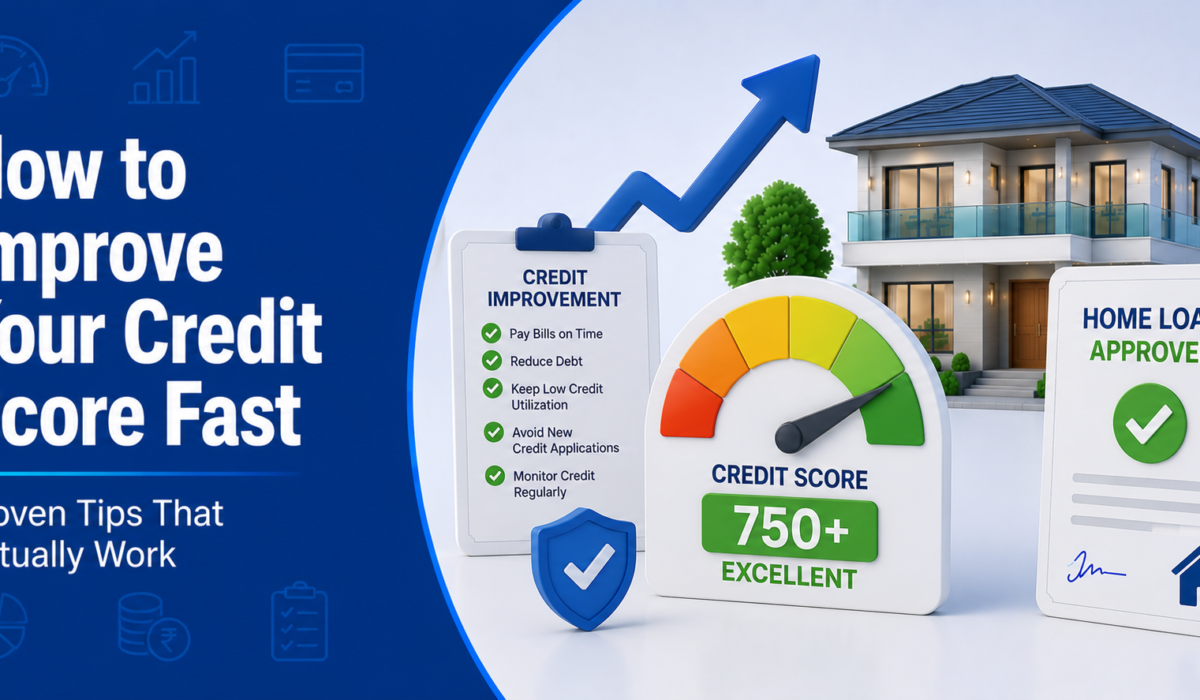
A good credit score can make many parts of your financial life easier. It can affect your ability to qualify for certain loans and credit cards and may influence the terms you are offered. If your credit score is lower than you want, improving it usually takes time, but there are several practical habits that can help.
You do not need to make complicated financial changes overnight. In many cases, simple habits such as paying bills on time, keeping credit card balances under control, and checking your credit reports can make a meaningful difference over time.
The key is to understand what affects your credit profile and then build better financial habits around those areas.
Check Your Credit Reports First
Before trying to improve your credit score, find out what is currently being reported about you.
Review your credit reports for accounts, payment history, balances, and other information. Look carefully for mistakes or information that does not belong to you.
An error on a credit report can potentially affect your credit profile. If you find incorrect information, follow the appropriate dispute process with the credit reporting company and the organization that provided the information.
Checking your reports also gives you a better understanding of what may be helping or hurting your credit.
Do not assume your score will change immediately after correcting an error. Credit reporting and scoring can take time.
Pay Your Bills On Time
Payment history is an important part of many credit scoring models.
A missed payment can cause problems, particularly if it becomes seriously past due and is reported to the credit bureaus.
Make it a priority to pay your bills by their due dates. You can set up automatic payments for at least the minimum amount when appropriate. Calendar reminders can also help if you prefer to make payments manually.
Paying on time is not only about improving your score. It also helps you avoid unnecessary late fees and additional financial stress.
Create a system that makes it difficult to forget your payment dates.
Keep Credit Card Balances Under Control
The amount of available revolving credit you are using can be an important factor in some credit scoring models.
For example, if your credit card has a $5,000 limit and you regularly carry a $4,500 balance, a large portion of your available credit is being used.
Try to keep your balances manageable relative to your available limits.
You do not necessarily need to carry a balance to build credit. Paying your credit card balance according to the terms of your account can help you avoid unnecessary interest charges.
If your balance is high, gradually paying it down can improve your overall financial position and may also benefit your credit profile.
Avoid Applying For Too Much Credit At Once
Applying for new credit can sometimes result in a hard inquiry on your credit report.
A single application is not necessarily a major problem, but submitting many applications within a short period can create several inquiries and may affect your credit profile.
Before applying for a new credit card or loan, think about whether you actually need it.
Compare options carefully and avoid opening multiple accounts simply because you qualify for them.
Being selective with new credit applications can help you keep your credit profile more stable.
Keep Older Accounts In Mind
The age of your credit accounts can be relevant to some credit scoring models.
If you have an older credit card with no annual fee and it is in good standing, keeping it open may help preserve the history associated with that account.
However, there is no universal rule that everyone should keep every account open. Fees, spending habits, and your overall financial situation matter.
Never keep an account open simply because you think you have to if the fees or terms do not make sense for you.
The goal is to manage your credit responsibly rather than collect accounts.
Pay Down Existing Credit Card Debt
High credit card balances can create financial pressure and may also affect credit utilization.
If you are carrying balances from month to month, create a plan to reduce them.
Start by reviewing your budget and deciding how much extra you can put toward your credit cards.
You can focus on one balance at a time while maintaining required payments on your other accounts. As one balance decreases, you can redirect that payment toward another.
Reducing debt can take time, so focus on consistent progress rather than expecting an instant change.
Do Not Close Accounts Without Thinking It Through
Closing a credit card can sometimes change your available credit and other parts of your credit profile.
Before closing an account, consider the reason for doing so.
If the card has an expensive annual fee or encourages spending you cannot control, closing it may be worth considering. But if you are closing an account simply because you no longer use it, look at how the change could affect your overall credit situation first.
There is no need to keep an account that creates financial problems just for the sake of your credit score.
Make the decision based on your complete financial picture.
Increase Your Financial Organization
Improving your credit score is easier when you know what is happening with your accounts.
Keep track of your balances, payment dates, credit limits, and monthly statements.
You can use a spreadsheet, budgeting app, or simple notebook to organize everything.
Set reminders for important due dates and check your accounts regularly.
Good organization can prevent small mistakes from becoming bigger financial problems.
It also makes it easier to notice unusual activity or changes in your accounts.
Be Careful With Credit Repair Promises
You may see companies or advertisements promising to dramatically increase your credit score quickly.
Be cautious with unrealistic promises.
Accurate negative information generally cannot simply be removed because you want it gone. Improving your credit profile usually requires responsible financial behavior over time.
You should also be careful about paying someone for actions you can take yourself, such as reviewing your credit reports or disputing information that is genuinely inaccurate.
If you decide to work with a credit professional, understand the fees and services before agreeing to anything.
Give The Process Time
One of the most important things to understand about credit improvement is that it usually takes time.
Your credit history is built from your financial behavior over time. A few good payments may not transform your score immediately.
Continue paying bills on time, manage your credit card balances, and avoid unnecessary applications for new credit.
Your credit profile can change as new information is reported.
Instead of checking your score constantly, focus on the habits that support healthy credit over the long term.
Final Thoughts
Improving your credit score is not about finding a quick trick. It is about building reliable financial habits.
Start by checking your credit reports and making sure the information is accurate. Pay your bills on time and keep your credit card balances manageable.
Be selective about new credit applications and think carefully before closing older accounts. Most importantly, stay organized and give the process time.
Your credit score may not improve overnight, but consistent financial behavior can help create a stronger credit profile over time.
The best approach is to focus on responsible money management rather than chasing a specific score. When you manage your credit carefully, your score can become a reflection of those healthier habits.
FAQ
How quickly can I improve my credit score?
The timeline varies depending on your credit history and what is currently affecting your score. Some changes may appear relatively quickly, while rebuilding a damaged credit history can take much longer.
Does paying bills on time help your credit?
Yes. Payment history is an important factor in many credit scoring models, so making payments on time is a key credit habit.
Should I carry a credit card balance to build credit?
You generally do not need to carry a balance and pay interest simply to build credit. Responsible use and timely payments are more important.
Does checking my own credit report hurt my score?
Checking your own credit report is generally considered a soft inquiry and does not have the same effect as a hard inquiry from a credit application.
Can paying off credit card debt improve my credit?
Reducing credit card balances can improve your overall financial position and may help your credit profile, although the exact effect varies based on your individual credit history and scoring model.