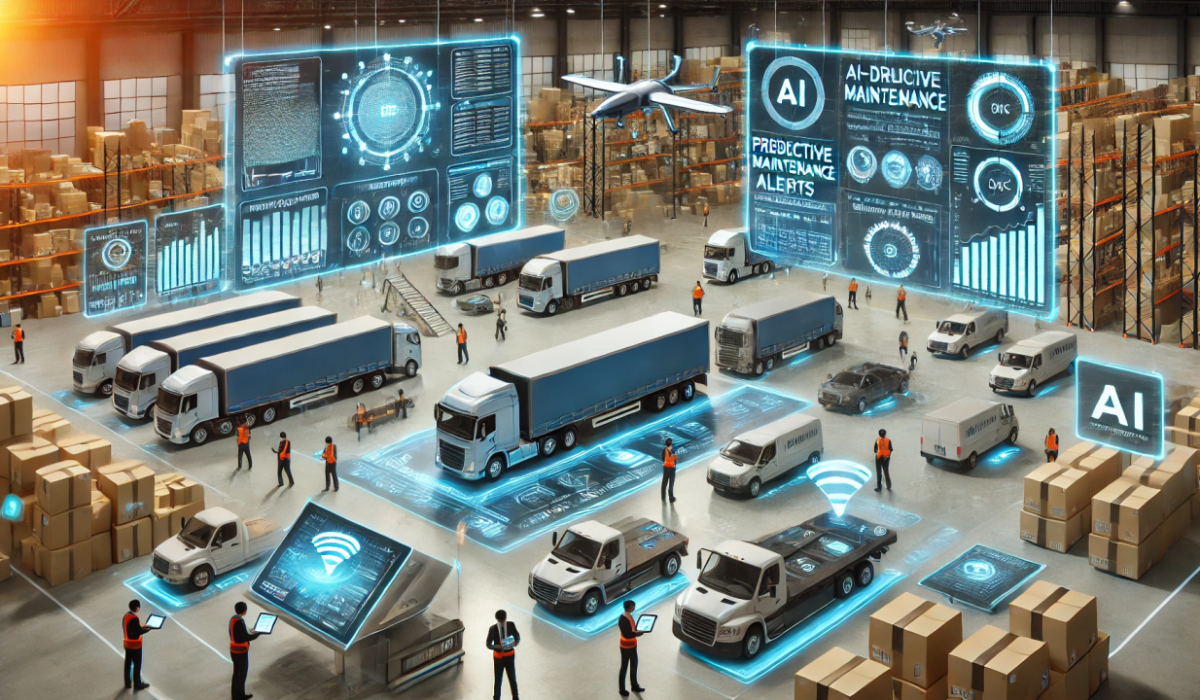
The logistics industry is growing rapidly, and businesses are constantly looking for better ways to manage transportation, warehouse operations, and supply chain activities. However, workplace safety remains one of the biggest challenges in this industry. From vehicle accidents and equipment-related injuries to warehouse hazards, logistics companies face several risks every day.
Traditional safety management methods are often time-consuming and may not identify potential dangers quickly enough. This is why logistics safety technology and AI software are becoming increasingly important.
Artificial intelligence is helping businesses monitor operations, identify workplace hazards, analyze safety data, and reduce operational risks. With the right technology, logistics companies can create safer working environments while improving productivity and efficiency.
What Is Logistics Safety Technology?
Logistics safety technology refers to digital tools and software designed to improve safety across transportation, warehousing, distribution, and supply chain operations.
These solutions help businesses monitor workplace conditions, manage safety procedures, identify potential risks, and maintain better control over daily activities.
Modern logistics safety technology includes AI-powered monitoring systems, fleet safety software, warehouse management tools, digital inspection platforms, and automated incident reporting solutions.
Instead of relying entirely on manual supervision, businesses can use intelligent software to collect useful information and make better safety decisions.
How AI Software Is Changing Logistics Safety
Artificial intelligence is transforming the way logistics businesses approach workplace safety. AI-powered systems can analyze operational information, recognize unusual patterns, and help managers identify potential problems before they become serious incidents.
For example, computer vision technology can monitor warehouse environments and identify certain unsafe activities, such as workers entering restricted areas or missing required personal protective equipment.
Similarly, AI-based analytics can help fleet managers understand driving behavior and identify patterns associated with increased accident risks.
These capabilities allow companies to move from reactive safety management toward a more proactive approach.
Key Features of AI-Powered Logistics Safety Software
Choosing the right safety software can make daily logistics operations more organized and manageable. Some important features include:
1. Real-Time Hazard Detection
Real-time hazard detection helps businesses identify unsafe conditions as they occur. AI-enabled cameras and monitoring systems can recognize specific workplace risks and notify supervisors when further attention is required.
This allows safety teams to respond faster and investigate potential hazards before they lead to workplace injuries.
2. Predictive Safety Analytics
Predictive analytics uses historical safety records and operational data to identify patterns that may indicate future risks.
For instance, if a particular warehouse location regularly experiences near-miss incidents, the software can help managers recognize the issue and investigate its underlying causes.
This information supports better planning and more effective safety improvements.
3. Fleet and Driver Safety Monitoring
Transportation safety is essential for logistics companies. AI-powered fleet safety software can help monitor driving behavior, including speeding, harsh braking, and sudden acceleration.
Managers can use these insights to provide targeted driver training, improve fleet management practices, and encourage safer driving habits.
4. Automated Safety Reporting
Manual paperwork can make safety management difficult, especially for businesses operating across multiple locations.
Digital safety software simplifies incident reporting, inspection records, maintenance documentation, and compliance tracking.
Automated reports also help managers understand safety performance without spending excessive time collecting information manually.
5. Warehouse Safety Management
Warehouses involve constant movement of employees, forklifts, machinery, and inventory. AI-powered safety solutions can help monitor high-risk areas and identify unsafe interactions between people and equipment.
Combined with digital inspection checklists and maintenance tracking, these tools support a more organized warehouse safety program.
Benefits of Logistics Safety Technology for Businesses
Investing in modern logistics safety software offers several important benefits.
Improved Workplace Safety: Early identification of potential hazards helps businesses take preventive action and reduce exposure to workplace risks.
Better Operational Efficiency: Automated reporting and digital inspections reduce administrative work and allow employees to focus on important responsibilities.
Reduced Operational Costs: Preventing accidents can help businesses avoid injury-related expenses, equipment damage, operational disruptions, and other unexpected costs.
Stronger Compliance Management: Digital records make it easier to organize safety documentation, inspection reports, and employee training information.
Better Decision-Making: AI-powered analytics provide useful insights that help managers understand recurring safety problems and improve operational procedures.
Increased Employee Awareness: Digital alerts, training programs, and safety monitoring encourage employees to follow workplace safety guidelines.
Real-World Applications of AI in Logistics Operations
AI-powered logistics safety technology has applications across different parts of the supply chain.
In warehouses, intelligent monitoring systems can help identify unsafe activities around forklifts, loading areas, and restricted zones.
In transportation, fleet monitoring software can analyze driving patterns and help managers identify drivers who may benefit from additional safety training.
In distribution centers, digital inspection systems can help teams monitor equipment conditions and maintain accurate safety records.
These applications demonstrate how artificial intelligence can support safer and more efficient logistics operations when implemented correctly.
Challenges of Implementing AI Safety Software
Although AI technology offers significant advantages, implementing new software also comes with challenges.
Some businesses may face high initial investment costs, integration difficulties, employee training requirements, and concerns about data privacy.
Another important consideration is system accuracy. AI-generated alerts should be reviewed appropriately because automated systems can sometimes produce incorrect warnings or miss certain hazards.
To overcome these challenges, businesses should choose reliable software, establish clear data protection policies, train employees, and maintain human oversight.
Technology should support safety professionals rather than completely replace their experience and judgment.
How to Choose the Right Logistics Safety Software
Selecting suitable logistics safety software requires an understanding of business operations and safety priorities.
Before making a decision, companies should evaluate the platform’s features, ease of use, reporting capabilities, integration options, scalability, and data security.
Businesses should also consider whether the software supports their specific requirements, such as warehouse monitoring, driver safety, incident management, or compliance documentation.
A good platform should be practical, user-friendly, and capable of supporting long-term business growth.
Future of Logistics Safety Technology
The future of logistics safety will increasingly depend on artificial intelligence, machine learning, automation, and connected monitoring systems.
As these technologies develop, logistics companies will have more opportunities to identify potential risks, improve equipment monitoring, and make faster safety-related decisions.
AI-powered predictive analytics may become more advanced, helping businesses understand complex safety patterns across multiple warehouses and transportation networks.
However, successful implementation will continue to depend on employee training, responsible management, and strong safety policies.
The combination of human expertise and intelligent technology will remain essential for building safer logistics operations.
Final Thoughts
Logistics safety technology and AI software are changing how businesses manage workplace risks and protect employees. From real-time hazard detection and predictive analytics to fleet monitoring and warehouse safety management, modern technology provides practical solutions for many challenges within the logistics industry.
As businesses continue to adopt digital transformation, investing in reliable AI-powered safety software can help improve workplace awareness, support better decision-making, and create more efficient operations.
Ultimately, logistics safety is not just about preventing accidents. It is about building a workplace culture where employees feel protected, safety procedures are followed, and technology supports continuous improvement.
Companies that combine innovative safety solutions with effective management practices will be better positioned to create a safer and more sustainable logistics industry.