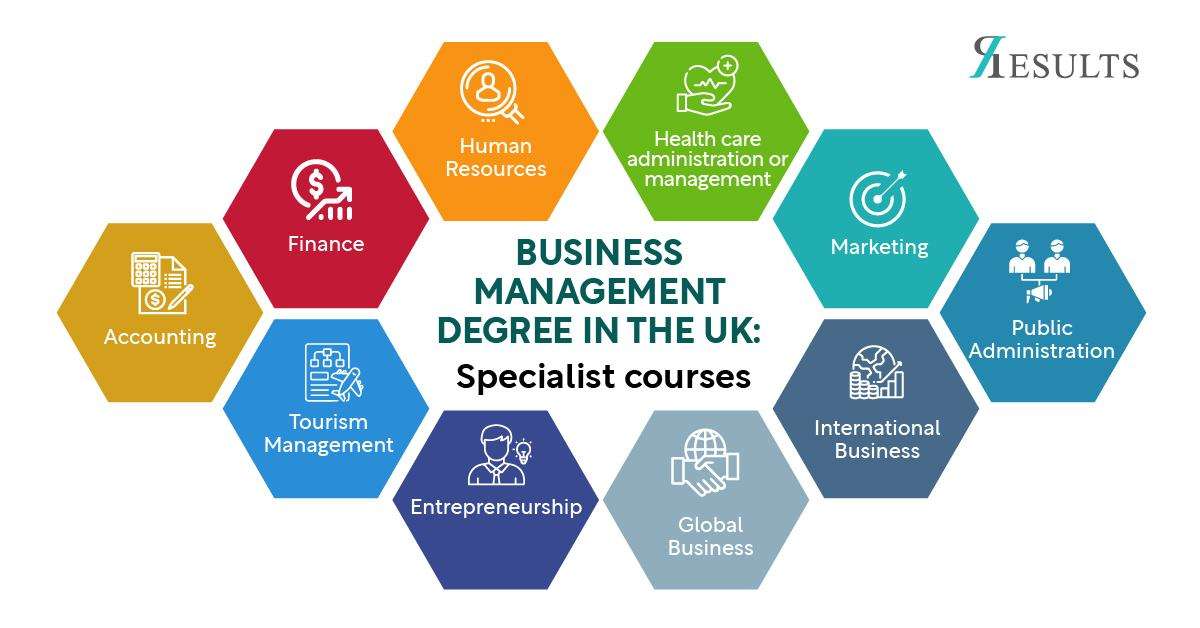
A business management degree can open the door to many different career paths. Unlike degrees that prepare you for one specific profession, business management gives you a broad understanding of how organizations operate. You learn about areas such as finance, marketing, leadership, operations, human resources, and business strategy.
This flexibility is one reason business management careers continue to attract students and professionals who want a wide range of job opportunities.
Whether you are a recent graduate or thinking about changing careers, understanding your options can help you decide which direction is right for you.
What Is Business Management?
Business management is the process of planning, organizing, and overseeing the activities of a business or organization. Managers are responsible for helping teams work efficiently while making sure the company moves toward its goals.
A business management program typically covers subjects such as accounting, economics, marketing, communication, leadership, operations, and organizational behavior.
Because these skills are useful across many industries, graduates are not limited to working for traditional business companies. They may find opportunities in healthcare, technology, education, finance, retail, manufacturing, hospitality, government, and nonprofit organizations.
Popular Business Management Careers
One of the biggest advantages of studying business management is the variety of career options available. Your interests, experience, and additional qualifications can influence which role you eventually choose.
Business Manager
Business managers oversee the day-to-day activities of an organization or department. Their responsibilities can include managing employees, monitoring budgets, improving processes, setting goals, and communicating with senior leadership.
This role requires strong organizational and communication skills because managers often have to balance several responsibilities at once.
Marketing Manager
If you enjoy creativity and understanding customer behavior, marketing could be a good career direction.
Marketing managers develop campaigns designed to promote products or services. They may work with advertising, social media, content, branding, market research, and sales teams.
Digital marketing has also created new opportunities for professionals who understand search engines, social media platforms, email marketing, and online advertising.
Human Resources Manager
Human resources professionals focus on the people side of an organization. Their responsibilities may include recruitment, employee training, workplace policies, performance management, and employee relations.
Strong communication and interpersonal skills are particularly valuable in this field.
Operations Manager
Operations managers help businesses run efficiently. They may oversee production, supply chains, inventory, quality control, scheduling, or internal processes.
This career can be a good fit for people who enjoy solving problems and finding practical ways to improve how a business operates.
Sales Manager
Sales managers lead sales teams and work toward revenue targets. They may create sales strategies, monitor performance, train employees, and develop relationships with important customers.
People who are confident communicators and enjoy working toward measurable goals may find sales management rewarding.
Financial Manager
Financial management involves overseeing an organization’s financial health. Depending on the position, responsibilities can include budgeting, financial reporting, forecasting, investment decisions, and risk management.
Some financial management roles require additional education, certifications, or specialized financial knowledge.
Skills That Help With Business Management Careers
A degree can provide a strong foundation, but employers also look for practical skills.
Communication is one of the most important. Managers need to explain ideas clearly, listen to employees, negotiate with clients, and communicate with different departments.
Leadership is equally important. Being a good manager is not simply about telling people what to do. Effective leaders motivate their teams, solve conflicts, provide feedback, and help employees develop.
Analytical thinking is another valuable skill. Businesses regularly make decisions based on sales figures, customer data, budgets, and market trends. Being able to understand information and turn it into useful decisions can give you an advantage.
Technology skills are increasingly important as well. Familiarity with spreadsheets, project management software, customer relationship management systems, data tools, and digital communication platforms can make you more competitive.
Do You Need a Business Management Degree?
A business management degree can be useful for entering many professional roles, but it is not the only route into management.
Some people move into management after gaining several years of experience in a particular industry. Others start in entry-level positions and gradually take on more responsibility.
For students who are just beginning their careers, a degree can provide useful knowledge and demonstrate that they understand fundamental business concepts.
Professional certifications, internships, short courses, and practical experience can also strengthen your qualifications.
How to Start a Career in Business Management
If you are interested in business management careers, gaining practical experience can be just as valuable as studying theory.
An internship is a good place to start. It allows you to see how organizations actually operate and gives you experience that can strengthen your resume.
You can also develop your skills through part-time jobs, volunteer work, student organizations, freelance projects, or small business experience.
Networking is another useful strategy. Connecting with professionals in industries that interest you can help you learn about different career paths and discover opportunities that may not be widely advertised.
When applying for jobs, avoid sending the same resume to every company. Highlight the skills and experiences that are most relevant to each position.
Business Management Careers and Career Growth
Business management can offer opportunities for long-term career development. Many professionals begin in entry-level roles and gradually move into supervisory, managerial, and senior leadership positions.
Your career progression will depend on your industry, experience, performance, education, and ability to take on greater responsibility.
You may also decide to specialize as your career develops. For example, someone who begins in general business operations may eventually move into project management, human resources, marketing, finance, or supply chain management.
Some professionals eventually move into executive positions or start their own businesses.
Is Business Management a Good Career Choice?
For people who enjoy working with people, solving problems, making decisions, and understanding how organizations work, business management can be a strong career choice.
The field is broad, which means you have room to explore different industries and job functions. At the same time, that flexibility means you need to take an active role in shaping your career.
Instead of choosing a job simply because it has a management title, think about the type of work you actually enjoy. Consider whether you prefer working with people, numbers, technology, customers, strategy, or day-to-day operations.
Final Thoughts
There is no single career path for someone with a background in business management. You could work in marketing, sales, finance, human resources, operations, project management, or general business administration.
The best business management careers combine your education with practical experience, communication skills, leadership ability, and a willingness to keep learning.
If you are considering studying business management, take some time to explore different industries and job roles before making a decision. Understanding what each career involves can help you choose a path that matches both your strengths and your long-term goals.