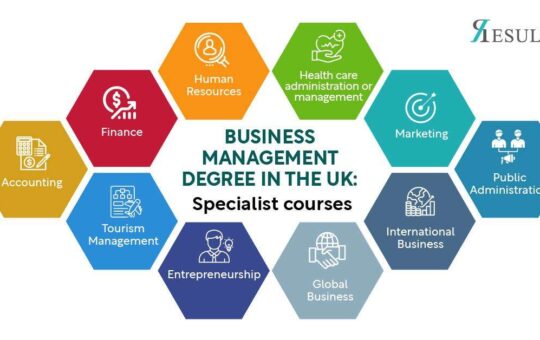
A business management degree can open the door to a wide range of career opportunities. Unlike degrees that prepare you for one specific profession, business management gives you a broad understanding of how organizations work. You can learn about finance, marketing, operations, leadership, communication, and strategy, giving you flexibility when choosing a career.
If you’re searching for jobs for a business management degree, there are many paths you can consider. Your ideal role will depend on your interests, experience, skills, and the type of industry you want to work in.
1. Business Manager
A business manager is one of the most obvious career choices for someone with a business management degree. Business managers help organizations run efficiently by overseeing employees, budgets, operations, and day-to-day activities.
Depending on the company, the role can involve managing a department, coordinating projects, setting goals, analyzing performance, and solving operational problems.
This career can be particularly attractive if you enjoy leadership and making decisions.
2. Management Consultant
Management consultants help businesses identify problems and improve their performance. They may analyze company processes, review financial information, study market trends, and recommend strategies.
This career can be a good fit for graduates who enjoy research, problem-solving, and working on different challenges.
Consultants may work with clients across several industries, which can make the job varied and fast-paced.
3. Marketing Coordinator or Manager
A business management degree can also lead to careers in marketing. Marketing professionals help companies promote products and services, understand customers, and build their brands.
Entry-level graduates may begin as marketing coordinators or marketing assistants before moving into management positions.
If you’re creative and interested in consumer behavior, advertising, social media, or market research, marketing can be an appealing career path.
4. Human Resources Specialist
Human resources is another popular option for business graduates. HR professionals help organizations recruit employees, manage workplace policies, support staff, and handle various employment-related processes.
An HR specialist may work on recruitment, onboarding, employee records, training, or benefits administration.
Strong communication and interpersonal skills are particularly useful in this field.
5. Sales Manager
Sales is a common career path for business management graduates. Sales professionals work with customers and clients to generate revenue for their organizations.
With experience, you may move into a sales management role where you supervise a sales team, establish targets, analyze performance, and develop strategies to increase revenue.
This career can suit people who are confident communicators and enjoy working toward measurable goals.
6. Financial Analyst
If you enjoy working with numbers, a business management degree may provide a starting point for a career in finance.
Financial analysts examine financial information and market trends to help organizations make informed decisions. They may evaluate investments, budgets, business performance, or financial risks.
Additional finance-related courses, certifications, or experience can be useful if you want to specialize in this area.
7. Operations Manager
Operations managers focus on making sure a business operates effectively. Their responsibilities can include managing employees, improving processes, controlling costs, monitoring productivity, and coordinating daily activities.
Operations roles are available in many industries, including manufacturing, retail, healthcare, logistics, hospitality, and technology.
If you enjoy organization and problem-solving, operations management may be worth considering.
8. Project Coordinator or Project Manager
Project management is another strong career option for business graduates. Project professionals coordinate people, schedules, budgets, and resources to ensure that projects are completed successfully.
Graduates often begin as project coordinators or assistants before moving into project manager positions.
Good organizational skills, communication, time management, and attention to detail are important for this career.
9. Business Analyst
Business analysts help organizations understand problems and find ways to improve their processes and performance.
They may collect and analyze information, communicate with different departments, identify inefficiencies, and help develop solutions.
This role is particularly appealing if you enjoy combining business knowledge with analytical thinking.
10. Supply Chain and Logistics Specialist
Businesses need professionals who can manage the movement of products and materials from suppliers to customers.
Supply chain and logistics specialists may work on purchasing, inventory, transportation, warehousing, and distribution.
The growth of e-commerce has also increased the importance of efficient supply chain operations, making this an interesting area for business graduates.
11. Entrepreneur
A business management degree can also be useful if you want to start your own company.
Business courses can provide knowledge about budgeting, marketing, operations, management, and strategic planning. These skills can help you understand the different parts of running a business.
Entrepreneurship comes with risk, but it can also give you greater independence and the opportunity to build something of your own.
12. Account Manager
Account managers work with clients to maintain relationships and ensure that customers are satisfied with a company’s products or services.
They may communicate with clients, solve problems, identify opportunities, and coordinate with internal teams.
This career can be a good choice if you enjoy relationship-building and communication but also want to work in a business environment.
13. Retail Manager
Retail management is another practical option for business graduates. Retail managers oversee store operations, employees, inventory, sales, customer service, and budgets.
The role can provide valuable leadership experience and may lead to regional or corporate management positions.
It can be particularly suitable for people who enjoy working directly with customers and teams.
Skills That Can Help Business Management Graduates
A degree is only one part of building a successful business career. Employers often look for graduates who can demonstrate practical skills.
Important skills include:
- Communication
- Leadership
- Problem-solving
- Time management
- Teamwork
- Data analysis
- Organization
- Decision-making
- Financial awareness
- Strategic thinking
Internships, part-time jobs, volunteer work, and university projects can help you develop these skills and give you examples to discuss during interviews.
How to Choose the Right Business Career
With so many jobs for business management degree graduates, choosing one career can feel overwhelming. Start by thinking about what you actually enjoy.
If you like working with people, consider human resources, sales, or account management. If you prefer numbers and analysis, finance or business analysis may be a better fit. Those who enjoy leadership might consider management or operations.
Your preferred work environment matters too. Some business careers involve offices and meetings, while others require travel, customer interaction, or managing teams in person.
It is also worth researching industries rather than focusing only on job titles. The same business skills can be used in technology, healthcare, finance, retail, education, hospitality, and many other sectors.
Final Thoughts
A business management degree can provide a flexible foundation for a wide variety of careers. You could work in management, marketing, finance, human resources, sales, operations, project management, or even start your own business.
The best jobs for business management degree graduates aren’t limited to one industry or job title. Your career can evolve as you gain experience and discover which areas of business interest you most.
Focus on building practical skills, gaining real-world experience, and learning how businesses solve problems. With the right combination of education, experience, and professional skills, a business management degree can become a strong starting point for a long-term career.