Saving money can feel difficult when your income already has a lot of responsibilities attached to it. Bills, groceries, transportation, subscriptions, and unexpected expenses can quickly use up your monthly budget. The good news is that you do not always need to earn more money to start saving. Small changes in the way you spend can make a noticeable difference.
If you want to save money fast, the key is to have a simple plan and follow it consistently. You do not need to cut everything you enjoy. Instead, focus on the expenses that are easiest to control and make realistic changes that you can maintain.
Start By Setting A Clear Savings Goal
The first step is to decide exactly what you are saving for. A clear goal makes saving feel more meaningful. Instead of saying, “I want to save money,” choose a specific target.
For example, you might want to save $500 for an emergency fund, $1,000 for a trip, or several months of living expenses. Write down the amount you want to save and the date you want to reach your goal.
Once you have a target, break it into smaller amounts. If your goal is $600 in three months, you need to save about $200 per month. You can then divide that amount between your paychecks.
A specific goal also helps you decide which expenses are worth cutting.
Track Where Your Money Goes
Before changing your spending habits, take a close look at where your money is going. Many people know their major bills but overlook smaller purchases.
For one month, write down every expense. Include coffee, snacks, delivery fees, online shopping, entertainment, subscriptions, and other small purchases.
You may be surprised by the total.
For example, spending $5 a day on small purchases adds up to around $150 in a month. Cutting every small expense is not necessary, but identifying your biggest spending habits can help you find easy savings.
Divide your expenses into three groups: needs, wants, and unnecessary spending. Your needs may include rent, groceries, utilities, and transportation. Wants can include dining out, entertainment, and shopping. Unnecessary expenses are purchases you can remove without affecting your daily life.
Cut Expenses You Can Control
After reviewing your spending, look for expenses that can be reduced quickly. Start with things that will not make your life difficult.
Subscriptions are a good place to begin. Check your streaming services, apps, memberships, and other recurring payments. If you rarely use something, consider canceling it.
Food spending is another area where small changes can create quick savings. Cooking at home more often can reduce the cost of restaurant meals and delivery. You can also plan your meals before going grocery shopping to avoid buying things you do not need.
Try comparing prices before making larger purchases. Look for discounts, use store loyalty programs when they genuinely save money, and avoid buying something simply because it is on sale.
The goal is not to stop spending completely. It is to spend more intentionally.
Use The 24-Hour Rule
Impulse purchases can make saving money much harder. A simple way to control them is to use the 24-hour rule.
When you want to buy something that is not necessary, wait 24 hours before purchasing it. Add the item to your shopping cart or write it down, but do not immediately pay.
After a day, ask yourself whether you still need it.
This works especially well for clothing, electronics, home products, and online shopping. Sometimes the desire to buy something disappears after you have had time to think about it.
For more expensive purchases, consider waiting several days or even a week. This gives you time to compare prices and decide whether the purchase actually fits your budget.
Automate Your Savings
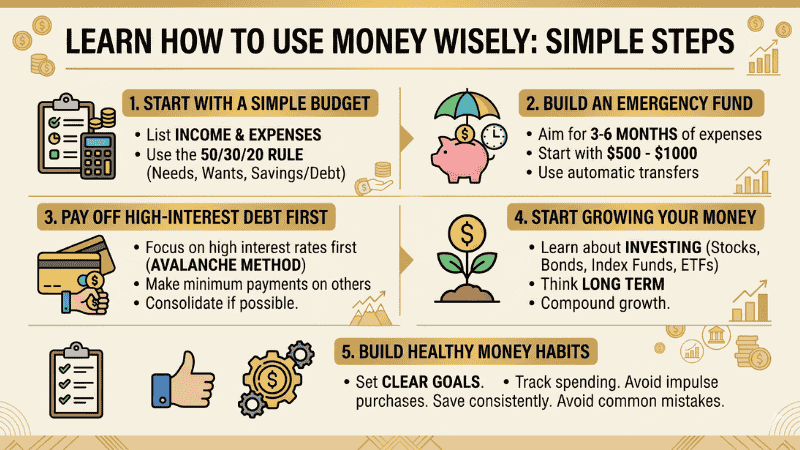
One of the easiest ways to save money is to make saving automatic. Instead of waiting until the end of the month to see what is left, move money into savings when you receive your income.
Even a small automatic transfer can help you build the habit.
For example, you could automatically transfer $25, $50, or $100 from each paycheck into a separate savings account. The exact amount depends on your income and expenses.
Keeping savings separate from your everyday spending account can also reduce the temptation to spend it.
If your income changes from month to month, start with a small amount and increase it during months when you have extra money.
Find Ways To Earn Extra Money
Cutting expenses is only one part of saving money. Increasing your income can help you reach your goal faster.
Look for realistic ways to earn extra money based on your skills and available time. You might take freelance work, sell unused items, work additional hours, or offer a service locally or online.
Selling things you no longer use can provide quick cash. Look around your home for clothes, electronics, furniture, or other items that are sitting unused.
You can put the money from these sales directly into your savings instead of treating it as extra spending money.
The important thing is to make sure the extra income actually supports your savings goal.
Create A Short-Term Spending Challenge
A temporary spending challenge can help you save money quickly. Choose a period such as seven days, two weeks, or one month.
During that period, focus only on essential purchases. Avoid unnecessary shopping, restaurant meals, entertainment purchases, and impulse buying.
You do not have to follow an extreme plan. A simple challenge can be enough to show you how much money you can save when you become more careful with spending.
At the end of the challenge, calculate how much you saved. You may discover that some of the habits are worth continuing.
Build An Emergency Fund
Once you start saving, create an emergency fund. This money is designed for unexpected expenses such as repairs, urgent travel, or temporary income problems.
Start with a small target if you are new to saving. Even $500 or $1,000 can provide useful financial breathing room.
Over time, you can work toward saving enough to cover several months of essential expenses.
Keep emergency savings somewhere safe and accessible. It should not be mixed with money you regularly use for shopping or entertainment.
Make Saving A Regular Habit
Saving money fast is helpful, but building a long-term habit is even more important. After reaching your first savings goal, create another one.
Review your budget every month. Check whether your expenses have increased and whether there are new areas where you can save.
Do not become discouraged if you have a month when you save less than expected. Unexpected expenses happen. The important thing is to return to your plan when your situation improves.
You can also reward yourself in inexpensive ways when you reach milestones. Saving should feel like progress rather than punishment.
Final Thoughts
Learning how to save money fast does not require complicated financial strategies. Start with a clear goal, track your spending, reduce unnecessary expenses, control impulse purchases, automate savings, and look for opportunities to increase your income.
The biggest difference often comes from consistency. Saving $20 or $50 may not seem significant at first, but regular savings can grow over time.
Choose a few changes that feel realistic and start today. Once saving becomes part of your normal routine, reaching larger financial goals can become much easier.
FAQ
How can I save money quickly?
Start by reviewing your expenses and cutting costs you can control. Cancel unused subscriptions, reduce dining-out expenses, avoid impulse purchases, and automatically transfer part of your income into savings.
What is the easiest way to start saving?
Set up an automatic transfer to a separate savings account. Start with an amount you can comfortably afford and increase it when your budget allows.
Should I stop spending completely to save money?
No. Extreme spending restrictions can be difficult to maintain. A better approach is to reduce unnecessary spending while keeping room in your budget for reasonable personal expenses.
How much should I save each month?
There is no single amount that works for everyone. Your savings target should depend on your income, essential expenses, debt obligations, and financial goals.
How do I avoid spending my savings?
Keep your savings in a separate account that is not used for everyday purchases. Automating transfers can also make saving easier because the money is moved before you have a chance to spend it.