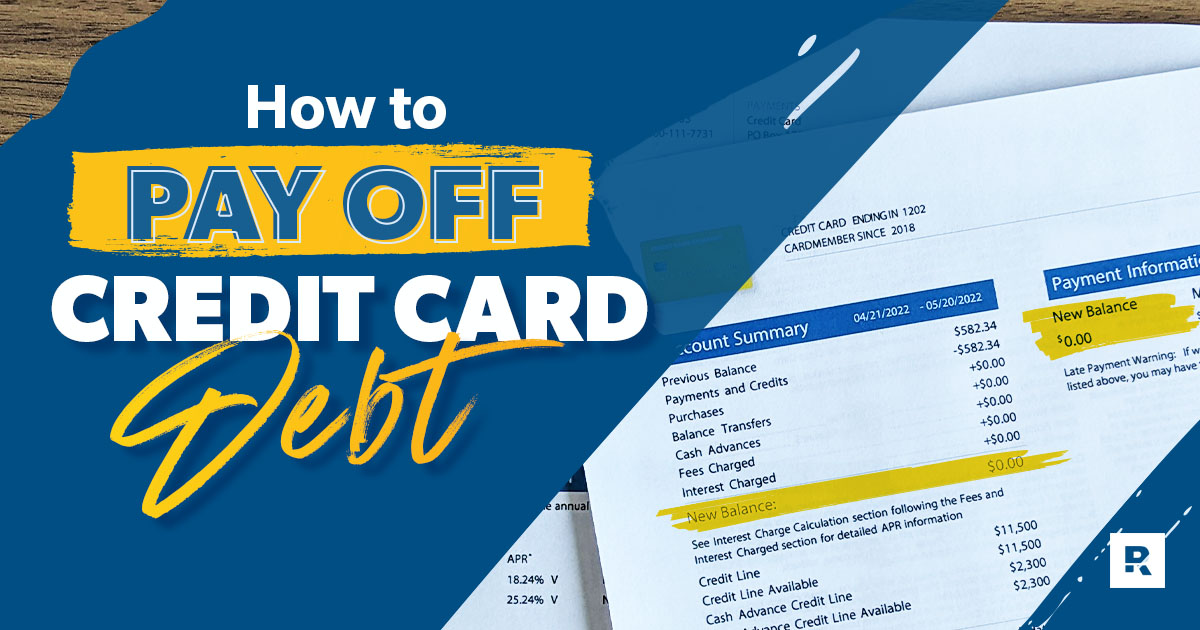
Credit card debt can become stressful when the balance keeps growing every month. Interest charges can make it difficult to see progress even when you are making regular payments. The good news is that you can take control of your debt with a clear plan and consistent habits.
Paying off credit card debt does not happen overnight. It usually takes patience and discipline. However, you do not need a complicated strategy to get started. A few practical changes can help you reduce your balance and avoid adding more debt.
The most important thing is to understand your current situation and create a repayment plan that you can realistically follow.
Know Exactly How Much You Owe
Before making a debt payoff plan, find out exactly how much credit card debt you have.
Check each credit card account and write down the current balance, interest rate, minimum payment, and payment due date. If you have several cards, keep all the information in one place.
Seeing the full amount may feel uncomfortable, but it gives you a clear starting point.
You may also notice that one card has a much higher interest rate than another. That information can help you decide where to focus your extra payments.
Do not rely on memory. Credit card balances and interest charges can change regularly, so use your latest statements or account information.
Stop Adding New Debt
Paying off your balance becomes much harder if you continue using your credit cards for everyday purchases.
If possible, stop using the cards you are trying to pay off. Consider using cash or a debit account for regular spending while you work on your debt.
This does not mean you have to close your credit card accounts. Closing an account can have other financial effects. The important thing is to avoid adding unnecessary new balances while you are trying to reduce existing debt.
Before making a purchase, ask yourself whether it is something you actually need and whether you can afford to pay for it without borrowing.
Create A Realistic Monthly Budget
A budget can show you exactly where your money is going.
Start by listing your monthly income and essential expenses. Then look at your remaining money and decide how much can reasonably go toward debt repayment.
Do not create a budget that looks perfect on paper but is impossible to follow.
Leave some room for normal personal expenses. If your plan is too restrictive, you may find it difficult to maintain.
A realistic budget gives you a better chance of making regular payments every month.
Choose A Debt Repayment Strategy
When you have multiple credit cards, choosing a repayment method can make the process easier.
One common approach is the debt avalanche method. With this approach, you make the minimum required payments on all your cards and put extra money toward the card with the highest interest rate.
Another approach is the debt snowball method. You make minimum payments on all your cards and focus extra money on the smallest balance first.
Both approaches have a different focus. The avalanche method prioritizes interest rates, while the snowball method prioritizes smaller balances.
Choose a method that fits your financial situation and that you can consistently follow.
Always Pay At Least The Minimum
Missing credit card payments can create additional problems.
Make sure you pay at least the required minimum by the due date on every account. If possible, set up automatic payments for the minimum amount so you do not accidentally miss a deadline.
Then use any additional money available for your chosen repayment strategy.
Paying more than the minimum can help you reduce the balance faster, but only pay an amount you can realistically afford.
Put Extra Money Toward Your Debt
Extra income can help you make faster progress.
If you receive a work bonus, sell unused items, earn money from freelance work, or receive another unexpected payment, consider putting part of it toward your credit card balance.
You do not have to use every extra dollar for debt repayment. You can divide the money between debt, savings, and other priorities.
Even an additional $50 or $100 can make a difference when added to your regular payment.
The key is to avoid immediately spending every extra dollar that comes your way.
Reduce Unnecessary Spending
Look for temporary spending cuts that can free up money for debt payments.
Review your subscriptions and cancel services you rarely use. Reduce restaurant meals and delivery orders. Plan your grocery shopping and avoid unnecessary online purchases.
You do not have to remove everything enjoyable from your life.
Instead, focus on expenses that you can reduce without creating too much stress. You can make these changes temporarily while your debt balance is high.
Once the debt is paid off, you can decide how you want to adjust your spending again.
Avoid New Credit Card Purchases
One of the biggest challenges when paying off debt is continuing to use the card.
If you pay $300 toward your balance but then spend another $300 on the same card, your progress may disappear.
Try to separate debt repayment from everyday spending.
If you need to use a credit card for a necessary expense, make sure you understand how and when you will pay it back. Avoid using credit simply to cover spending that does not fit your budget.
Building the habit of spending within your available income can make it easier to stay out of debt after you pay it off.
Consider Lower-Interest Options Carefully
If your credit card has a high interest rate, you may want to explore whether a lower-interest repayment option is available to you.
Depending on your circumstances, this could include a balance transfer offer, a personal loan, or another form of debt consolidation.
However, these options have different fees, terms, eligibility requirements, and risks. A lower advertised interest rate does not automatically make an option cheaper overall.
Read the terms carefully and compare the total cost before making a decision.
Also avoid using a new loan or balance transfer as an excuse to continue spending. The goal should be to reduce the debt rather than move it around.
Build A Small Emergency Cushion
Unexpected expenses can make debt repayment much harder.
If you have no savings at all, consider building a small emergency cushion while working on your credit card debt. Even a modest amount can help you handle a minor unexpected expense without immediately reaching for a credit card.
The right balance between saving and debt repayment depends on your income, expenses, debt costs, and personal situation.
The important thing is to avoid being completely unprepared for an unexpected bill.
Track Your Progress
Watching your balance decrease can keep you motivated.
Check your credit card balances regularly and record your payments. You can use a simple spreadsheet, notebook, or budgeting app.
Celebrate progress without creating new debt. For example, when you reach a repayment milestone, give yourself a low-cost reward such as a relaxing day at home or a favorite homemade meal.
Debt repayment can take time. Seeing your progress can remind you that your payments are making a difference.
Final Thoughts
Paying off credit card debt requires a plan, but it does not have to be complicated.
Start by understanding exactly how much you owe. Stop adding unnecessary balances, create a realistic budget, and choose a repayment strategy that works for you.
Always make at least the required payments on time and put extra money toward your debt whenever your budget allows.
At the same time, try to build a small financial cushion so unexpected expenses do not immediately become new credit card debt.
Most importantly, stay consistent. Your balance may not disappear quickly, but every payment moves you closer to being debt-free.
Once your credit card debt is under control, the money you were using for debt payments can eventually be redirected toward savings, future goals, and other financial priorities.
FAQ
What is the fastest way to pay off credit card debt?
Start by stopping unnecessary new charges, creating a realistic budget, and putting extra money toward your debt. You can also focus your additional payments on a specific card using a repayment strategy.
Should I pay the highest-interest card first?
The debt avalanche method focuses extra payments on the card with the highest interest rate while maintaining minimum payments on the others. This is one commonly used repayment approach.
Is it better to pay more than the minimum?
If your budget allows, paying more than the minimum can help reduce the balance faster and may reduce the total interest paid over time.
Should I stop using my credit cards while paying off debt?
Avoiding unnecessary new charges can make it easier to reduce your balance. Using credit while trying to repay existing debt can slow your progress.
What should I do after paying off my credit card debt?
Consider redirecting the money you were using for debt payments toward an emergency fund, savings goals, or other financial priorities. This can help you avoid returning to credit card debt.