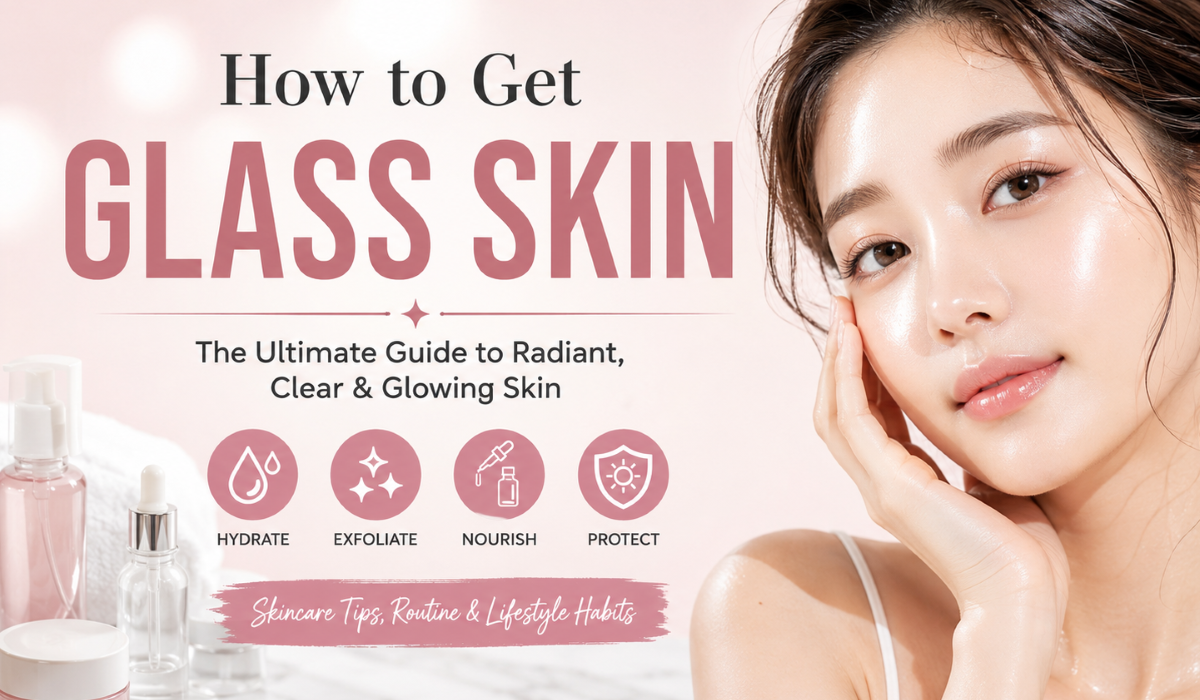
Glass skin has become a popular skincare trend because of its fresh, smooth, and naturally glowing appearance. The idea is to create skin that looks healthy, hydrated, and radiant without relying on heavy makeup. Many people are interested in this Korean beauty trend because it focuses on skincare rather than simply covering imperfections.
However, achieving a glass skin appearance does not require an expensive skincare collection. You do not need dozens of products or a complicated routine to care for your skin. Choosing suitable products and using them consistently can help you maintain a comfortable and healthy-looking complexion.
If you are a beginner, finding the right skincare products may feel confusing. There are countless cleansers, toners, serums, moisturizers, and sunscreens available. Some products promise instant glow, while others focus on hydration or improving uneven skin tone.
The key is understanding what your skin needs before spending money on skincare products.
In this guide, you will discover practical glass skin tips, useful product recommendations, and buying advice to help you create a simple skincare routine that works for your skin type and budget.
1. Start With a Gentle Cleanser
A gentle cleanser is one of the most important products in a glass skin routine. It helps remove dirt, excess oil, sweat, sunscreen, and makeup without unnecessarily irritating your skin.
When choosing a cleanser, focus on your skin type and how your skin feels after washing.
If your skin is oily, a lightweight gel cleanser may be a comfortable option. If your skin is dry, a cream or lotion cleanser may help you avoid excessive dryness.
People with sensitive skin may prefer fragrance-free formulas designed for gentle cleansing.
A good cleanser should leave your skin feeling clean and comfortable rather than tight or rough.
To use it, wet your face with lukewarm water. Apply a small amount of cleanser and gently massage it over your skin. Rinse thoroughly and pat your face dry with a clean towel.
Avoid scrubbing aggressively because harsh cleansing can irritate your skin and make dryness more noticeable.
Practical buying tip: Choose a cleanser based on its suitability for your skin rather than its popularity. You do not need an expensive cleanser to create a healthy skincare routine.
If possible, check the product ingredients and look for a formula that does not leave your skin feeling uncomfortable. Buying a smaller size first can also help you decide whether you like the product.
2. Choose a Hydrating Toner
A hydrating toner can be useful if your skin feels dry or you want an additional layer of moisture.
Unlike some traditional toners that focus on removing excess oil, hydrating toners are designed to help the skin feel refreshed and moisturized.
Ingredients such as glycerin, hyaluronic acid, and panthenol are commonly used in hydrating skincare products.
For a beginner-friendly glass skin routine, one hydrating toner is usually enough. You do not need to apply several layers unless you genuinely enjoy that method and your skin tolerates it.
After cleansing, apply a small amount of toner using clean hands or a cotton pad. Gently press it onto your skin without rubbing too hard.
If your skin is already comfortable with your cleanser and moisturizer, you may not need toner at all.
Practical buying tip: Look for a toner that provides hydration without causing irritation. Avoid choosing products only because they promise an instant glass-like finish.
If you have sensitive skin, consider fragrance-free options and introduce new products gradually. A simple formula with ingredients that support hydration may be more useful than a product containing many unnecessary extras.
3. Use a Hydrating Serum for Extra Moisture
Serums can help address specific skincare concerns. For a glass skin routine, hydrating serums are popular because they can support a plump and moisturized appearance.
Hyaluronic acid is a common ingredient in hydrating serums. It helps attract moisture and can temporarily make skin appear smoother and fuller.
Glycerin is another useful ingredient that supports hydration.
You do not need several serums to achieve a healthy-looking glow. Starting with one product can make your routine easier to understand and maintain.
Apply a small amount of serum after cleansing or toning, following the product instructions. Some hydrating serums work well on slightly damp skin.
Finish with a moisturizer to help reduce moisture loss.
If you want to address uneven skin tone, you may also consider ingredients such as niacinamide. However, it is better to introduce one new product at a time rather than combining several active ingredients immediately.
Practical buying tip: Before buying a serum, identify your main skincare concern. If dryness is your priority, choose a hydrating formula. If you are concerned about uneven skin tone, research suitable ingredients and select a product designed for that purpose.
Compare the ingredient list, product size, and price before purchasing. A serum does not need to be expensive to fit into a useful skincare routine.
4. Pick a Moisturizer That Suits Your Skin Type
Moisturizer is essential for maintaining comfortable, hydrated skin. It helps reduce moisture loss and supports the skin barrier.
A healthy skin barrier helps protect your skin from external irritants and keeps it feeling comfortable.
The best moisturizer for your glass skin routine depends on your skin type.
People with oily skin may prefer lightweight gel moisturizers that feel comfortable without leaving a heavy finish.
People with dry skin may benefit from richer creams that provide longer-lasting moisture.
Combination skin may respond well to a balanced moisturizer that can be applied more generously to dry areas.
Ingredients such as glycerin, ceramides, and hyaluronic acid are commonly found in moisturizing products.
Apply moisturizer after your serum or toner. Use a suitable amount and spread it gently over your face and neck.
You do not need to apply a thick layer to create a glowing appearance. Using too much product may leave your skin feeling greasy or uncomfortable.
Practical buying tip: Consider how your skin feels throughout the day. If your moisturizer leaves your face feeling tight, it may not provide enough moisture. If it feels excessively greasy, you may prefer a lighter formula.
Choose a moisturizer that works well with your other skincare products and fits your budget.
5. Make Sunscreen a Daily Essential
Sunscreen is one of the most important products in a glass skin routine. Sun exposure can contribute to premature skin aging, uneven pigmentation, and other types of skin damage.
Choose a broad-spectrum sunscreen with SPF 30 or higher.
Apply sunscreen as the final step of your morning skincare routine, after moisturizer. Use enough to cover your face, neck, and other exposed areas.
Follow the product instructions and reapply regularly when spending time outdoors, especially after swimming, sweating, or towel drying.
Sunscreen is important even when you are not trying to achieve glass skin. It supports long-term skin protection and helps prevent additional sun-related damage.
If you prefer a dewy appearance, you can choose a sunscreen with a moisturizing finish. However, the most important factors are suitable protection and comfortable wear.
Practical buying tip: Look for sunscreen that you enjoy using regularly. If your skin is oily, a lightweight formula may feel more comfortable. If your skin is dry, a moisturizing sunscreen may suit your preferences.
Check the label for broad-spectrum protection and SPF. Avoid choosing sunscreen based only on its packaging or claims about creating glowing skin.
6. Exfoliate Carefully for Smoother-Looking Skin
Exfoliation can help remove dead skin cells from the surface of your skin. Some people include exfoliating products in their routine to improve the appearance of rough texture or uneven skin tone.
However, exfoliation is not necessary for everyone.
Using too many exfoliating products can irritate your skin and damage its protective barrier. This may lead to redness, dryness, or discomfort.
If you want to try exfoliation, consider a gentle chemical exfoliant designed for your skin type.
Ingredients such as lactic acid, glycolic acid, and salicylic acid are commonly used in exfoliating products. They have different properties and may suit different skincare concerns.
Beginners should start slowly and follow the product instructions. Avoid combining several strong exfoliating products at once.
If your skin becomes irritated, stop using the exfoliant and focus on gentle cleansing and moisturizing.
Practical buying tip: Do not buy an exfoliating product simply because it promises instant smoothness. Consider whether your skin actually needs exfoliation.
If you have persistent acne, sensitive skin, or ongoing irritation, seek professional advice before introducing stronger exfoliating ingredients.
7. Build a Simple Morning and Night Routine
A consistent skincare routine is often more practical than using many products without a clear plan.
Your morning routine can focus on hydration and sun protection.
Start with a gentle cleanser or rinse your face with water if that works well for your skin. Apply a hydrating serum or toner if needed, followed by moisturizer and sunscreen.
Your nighttime routine should focus on removing the day’s buildup and keeping your skin comfortable.
Begin by removing makeup and sunscreen. Use a suitable makeup remover or cleansing oil if necessary, followed by your regular cleanser.
Apply a hydrating serum if you use one, and finish with moisturizer.
You do not need to use every product twice a day. Some products may be designed for specific times or frequencies, so follow their instructions.
Practical buying tip: Before purchasing a new skincare product, check whether it fills a genuine gap in your routine. If your current cleanser, moisturizer, and sunscreen work well, you may not need to replace them.
A simple routine can also make it easier to identify which product causes irritation if your skin reacts.
8. Avoid Common Glass Skin Mistakes
Many beginners believe that using more skincare products will automatically create better results. However, a complicated routine can sometimes make skin care more difficult.
One common mistake is purchasing several new products at once. If your skin becomes irritated, it may be difficult to identify the cause.
Another mistake is using too many active ingredients. Combining several exfoliants or strong treatments can increase the risk of irritation.
Some people also apply excessive amounts of moisturizer or facial oil because they want an extremely shiny appearance. This can make the skin feel greasy without improving its overall condition.
A healthy-looking glow comes from suitable skincare and consistent habits rather than excessive product application.
Avoid comparing your skin to heavily edited photos online. Natural skin has pores, texture, and occasional blemishes.
Practical buying tip: Introduce new skincare products one at a time. Patch testing a new product according to its instructions can help you identify possible irritation before applying it more widely.
Keep your routine simple and give your skin time to adjust.
9. Consider Your Budget Before Shopping
Building a glass skin routine does not require spending a large amount of money.
Start with the products that matter most: a gentle cleanser, moisturizer, and sunscreen.
Once you have established a comfortable routine, you can consider adding a hydrating serum or toner if needed.
Before buying skincare products, compare prices, product sizes, ingredients, and instructions.
A lower-priced product may provide everything you need, while an expensive product may contain ingredients that are unnecessary for your skin concerns.
You can also avoid wasting money by using products you already own if they suit your skin.
Practical buying tip: Make a short shopping list and set a budget before purchasing skincare. Focus on products you will use regularly rather than buying every trending item.
Remember that consistent use of suitable products is more important than having a large collection.
Frequently Asked Questions
What are the best products for a glass skin routine?
A gentle cleanser, moisturizer, and broad-spectrum sunscreen are the essential starting points. A hydrating toner or serum can be added if your skin needs extra moisture.
How long does it take to achieve glass skin?
There is no fixed timeline. Hydration may improve the appearance of your skin relatively quickly, while changes in texture or uneven skin tone can take longer. Results vary from person to person.
Can oily skin follow a glass skin routine?
Yes. People with oily skin can use lightweight moisturizers and hydrating products. A glass skin routine does not require making your face excessively shiny.
Do I need expensive Korean skincare products?
No. Korean skincare products are popular, but suitable products from other brands can also support healthy-looking skin. Choose products based on their ingredients and how they work for your skin.
Is toner necessary for glass skin?
No. Toner is optional. A gentle cleanser, moisturizer, and sunscreen can provide a good skincare foundation without toner.
Can I achieve glass skin naturally?
You can support healthy-looking skin through gentle skincare, sun protection, adequate sleep, and balanced daily habits. However, no routine can guarantee perfectly smooth or poreless skin.
Final Thoughts
Creating a glass skin routine does not need to be complicated or expensive. The most useful approach is to focus on hydration, gentle cleansing, suitable moisturizing, and daily sun protection.
Start with a few basic products and gradually introduce additional skincare only when you need it. Choose formulas that suit your skin type and avoid using too many active ingredients at once.
When shopping for skincare, pay attention to ingredients, product instructions, and how your skin responds. A product that works well for someone else may not be the right choice for you.
Most importantly, remember that glass skin is a beauty trend, not a requirement for healthy skin. Your natural texture and pores are completely normal.
With a simple routine, realistic expectations, and consistent care, you can support comfortable, hydrated, and naturally radiant-looking skin.