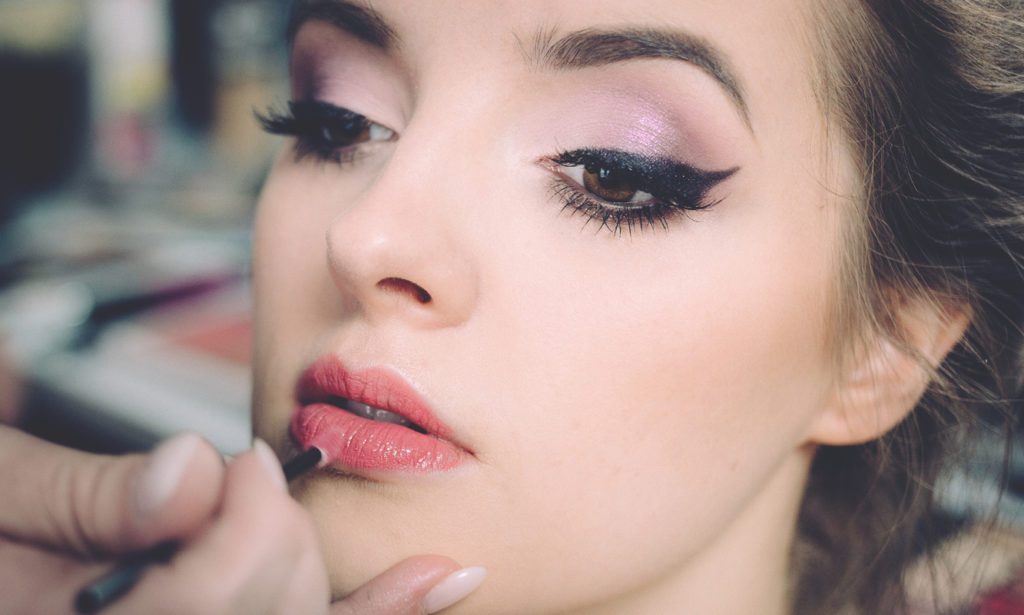
Starting with makeup can feel confusing when you see so many products, shades, and beauty trends online. From foundation and concealer to mascara and lipstick, there are countless options available. However, you do not need to buy every product to create a beautiful everyday look.
The best way to learn makeup is to start with a few basic products and understand how to use them. A simple routine can help you feel more confident without spending too much money or taking hours to get ready.
Whether you want a natural everyday look or something a little more polished, this beginner-friendly guide will help you choose makeup products, learn easy application techniques, and avoid common mistakes.
Start With a Simple Makeup Routine
If you are new to makeup, begin with a routine that feels comfortable and easy to follow. You can always add more products as your skills improve.
A basic makeup routine usually includes moisturizer, sunscreen, foundation or concealer, blush, mascara, and lip color. These products can help create a fresh appearance without making your routine complicated.
You do not have to use every product every day. For example, if you prefer a natural look, you may only need concealer, blush, mascara, and lip balm.
Start by deciding what you want your makeup to achieve. Some people want to even out their skin tone, while others prefer to highlight their eyes or add color to their cheeks. Knowing your preferences makes shopping easier.
It is also helpful to practice one product at a time. Learn how to apply foundation before experimenting with contouring or complicated eye makeup. This approach allows you to understand what works for you without feeling overwhelmed.
Choose Makeup Products That Suit Your Skin
Understanding your skin type can make choosing makeup products much easier. Different formulas can feel and look different depending on whether your skin is dry, oily, combination, or sensitive.
If your skin feels dry or tight, look for hydrating products with a creamy texture. A moisturizing foundation or lightweight skin tint may help your makeup look smoother. Applying moisturizer before makeup can also improve how products sit on your skin.
For oily skin, lightweight formulas and products labeled oil-free may feel more comfortable. A small amount of powder can help reduce shine in areas where your skin becomes oily.
Combination skin may need different products for different areas. You could use a hydrating foundation on your cheeks and a little powder around your forehead and nose.
If your skin is sensitive, check ingredient lists and introduce new products gradually. Fragrance-free formulas may be worth considering if fragrance tends to irritate your skin.
Remember that makeup does not need to hide every natural feature. Freckles, skin texture, and small imperfections are normal. The goal is to find products that make you feel comfortable rather than covering everything.
Pick the Right Foundation and Concealer
Foundation is often one of the most confusing makeup products for beginners. There are many shades, finishes, and coverage levels, so choosing one can take some practice.
For everyday makeup, a lightweight foundation or skin tint is often a practical starting point. These products usually provide lighter coverage and can be easier to blend than heavier formulas.
When choosing a foundation shade, test it along your jawline rather than only on your hand. A suitable shade should blend naturally with both your face and neck. If possible, check the color in natural daylight before purchasing.
Also consider the finish. A dewy foundation can create a fresh appearance, while a matte formula may provide a less shiny finish. Neither is automatically better. Your skin type and personal preference should guide your choice.
Concealer is useful when you want extra coverage in specific areas. You can apply a small amount under your eyes or over visible spots. Choose a shade close to your skin tone for covering blemishes. For the under-eye area, some people prefer a slightly lighter shade.
Avoid applying too much product at once. Start with a small amount and blend it using clean fingers, a makeup sponge, or a brush. Add another thin layer only if you need more coverage.
If you are unsure about buying both foundation and concealer, start with one product that meets your everyday needs. You can add the other later.
Easy Eye Makeup for Beginners
Eye makeup can make a noticeable difference, but you do not need to learn complicated techniques immediately. Start with mascara and a neutral eyeshadow if you want a simple everyday look.
Mascara helps define your lashes and makes your eyes stand out. Choose a formula that is comfortable to use and easy to remove. If you are new to applying mascara, begin with one light coat. Allow it to dry before adding another layer if needed.
For eyeshadow, neutral shades such as soft brown, beige, and light pink are easy to work with. Apply a light shade across your eyelid and use a slightly darker shade near the outer corner. Blend gently to avoid harsh lines.
Eyeliner is optional. If you find liquid eyeliner difficult, try a soft pencil instead. You can apply a thin line close to your upper lashes for a more defined appearance.
When choosing eye makeup, pay attention to the product’s instructions and avoid sharing mascara or eyeliner with others. Replace old products when they reach their recommended use period or show changes in smell, color, or texture.
Add Color With Blush and Lip Products
Blush and lip color are simple ways to make your makeup look more lively. They are also useful products for beginners because you can apply them without complicated techniques.
Blush comes in powder, cream, and liquid formulas. Powder blush is often easy to control with a brush, while cream blush can be blended with your fingers. Liquid blush usually needs only a small amount because its color may be quite concentrated.
For a natural appearance, choose a shade that complements your skin tone. Soft pink, peach, and rose are common options, but the best shade depends on your personal preference.
Apply blush lightly to the apples of your cheeks or slightly higher, then blend it toward your temples. Start with a small amount and build the color gradually. This helps prevent the blush from looking too strong.
Lip products are another beginner-friendly choice. Lip balm adds moisture, while tinted balm gives a little color without requiring precise application. Lip gloss creates a shiny finish, and lipstick offers more noticeable color.
If you are unsure which shade to buy, begin with a color close to your natural lip tone. You can experiment with brighter shades once you feel comfortable.
You do not need to buy several blushes and lipsticks at once. One blush and one lip product that you enjoy using are enough to begin.
Learn the Correct Order of Makeup Application
Applying products in a comfortable order can make your routine easier. It also helps prevent unnecessary layering and reduces the chance of smudging products you have already applied.
Start by washing your face and applying moisturizer. During the daytime, apply sunscreen before makeup. Choose broad-spectrum sunscreen with SPF 30 or higher, and follow its application instructions. Makeup with SPF should not automatically replace your regular sunscreen.
Once your skin is prepared, follow these basic steps:
-
Apply foundation or skin tint if you want to even out your skin tone.
-
Use concealer on areas that need additional coverage.
-
Apply a small amount of powder if you want to reduce shine.
-
Add blush to your cheeks and blend it gently.
-
Apply eyeshadow or eyeliner if desired.
-
Finish with mascara and your preferred lip product.
This order is flexible. For example, you can apply some cream blush before powder, while powder blush usually works well after foundation and setting powder.
Do not worry if your routine looks different from someone else’s. Makeup is personal, and there is no single order that works perfectly for everyone.
Practical Makeup Buying Tips for Beginners
Shopping for makeup becomes easier when you know what you actually need. Instead of buying a large makeup kit immediately, build your collection slowly.
Begin with a realistic budget. You can find useful makeup products at different price points, so expensive products are not necessary for learning basic techniques.
Before purchasing anything, think about how often you will use it. If you want everyday makeup, prioritize products that are comfortable and easy to apply. If you only wear makeup occasionally, a small collection may be enough.
Check the product’s shade, texture, finish, and application instructions. When possible, test foundation shades in person. If you shop online, review the shade descriptions and return policy before ordering.
You can also look for products that serve more than one purpose. A tinted lip balm, for example, adds color while helping your lips feel comfortable. A cream blush may also work as a lip color if the manufacturer says it is suitable for both uses.
Avoid buying a product simply because it is popular on social media. A product that works well for someone else may not suit your skin, preferences, or budget.
If you have acne-prone skin, look for makeup labeled oil-free or non-comedogenic, which means it is designed not to clog pores. However, no label guarantees that a product will suit everyone. Stop using products that appear to cause irritation or breakouts.
Common Makeup Mistakes Beginners Should Avoid
Learning makeup takes practice, and making mistakes is part of the process. A few simple habits can help you improve your results.
One common mistake is applying too much foundation. Heavy layers may look unnatural or feel uncomfortable. Start with a small amount and blend it well before deciding whether you need more.
Another mistake is choosing a foundation shade that does not match your skin. A shade that looks suitable on your hand may appear different on your face. Testing along your jawline can help you find a closer match.
Beginners sometimes use too much powder, blush, or eyeshadow because they want the color to be noticeable. However, applying a little at a time gives you more control and makes blending easier.
Skipping makeup removal is another habit to avoid. Remove your makeup before going to bed and cleanse your face gently. Leaving makeup on overnight may contribute to clogged pores or irritation for some people.
You should also clean your makeup tools regularly. Dirty brushes and sponges can collect product residue and germs. Wash your tools according to their material and allow them to dry completely before using them again.
Finally, avoid comparing your makeup skills with professional artists or edited online photographs. Their techniques may involve years of practice, specialized lighting, and different products. Focus on learning what works for you.
Frequently Asked Questions
What makeup products should beginners buy first?
Start with a few basic products such as moisturizer, sunscreen, concealer or foundation, blush, mascara, and lip balm. You can add more products as you become comfortable with your routine.
Is expensive makeup better for beginners?
Not necessarily. Many affordable products can work well for everyday makeup. Choose products based on their quality, suitability, comfort, and price rather than the brand name alone.
How can beginners make makeup look natural?
Use lightweight products, apply small amounts, and blend carefully. Choose shades that complement your natural coloring and avoid adding too many layers.
Should beginners use foundation or concealer?
Both are optional. Foundation helps even out the appearance of skin tone across the face, while concealer provides more targeted coverage. You can start with whichever product meets your needs.
How can I make my makeup last longer?
Prepare your skin with suitable moisturizer and sunscreen. Apply makeup in thin layers and use a small amount of setting powder if needed. A setting spray is optional, not essential.
Final Thoughts
The best makeup for beginners is makeup that feels comfortable, suits your preferences, and fits your budget. You do not need a large collection or advanced techniques to create a fresh everyday look.
Start with a few basic products, practice simple application methods, and gradually explore different colors and finishes. Pay attention to how your skin responds and replace products when necessary.
Most importantly, enjoy the process. Makeup should be a fun way to express yourself, not something that makes you feel pressured to look a certain way. With a little practice and the right products, you can build a routine that feels natural and easy to maintain.